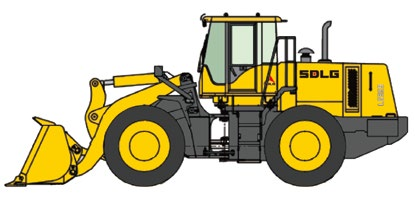
 Wheel Loader
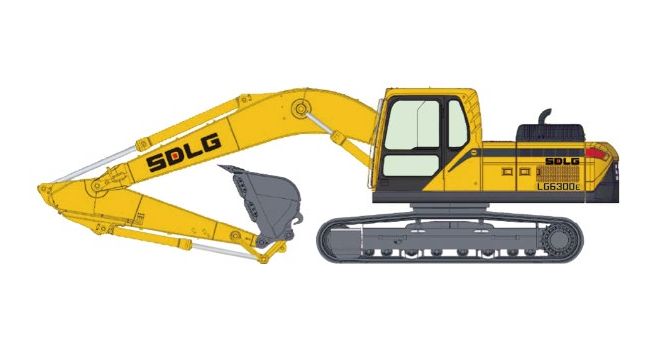 Excavator
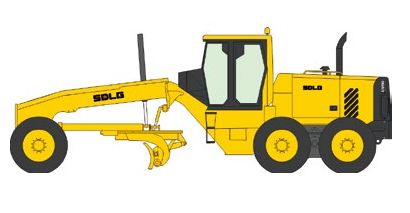 Motor Grader
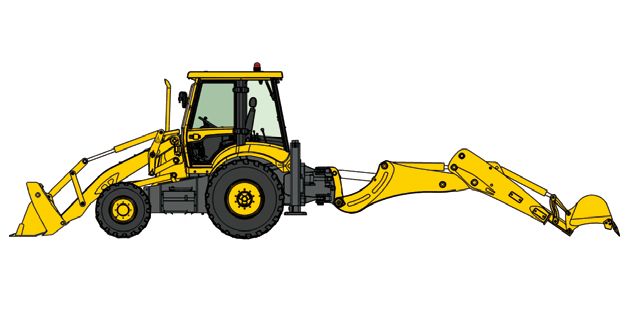 Backhoe Loader
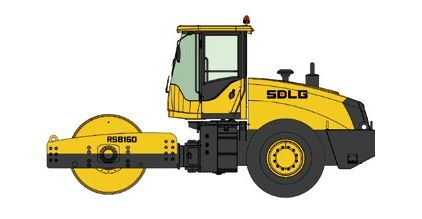 Road Roller
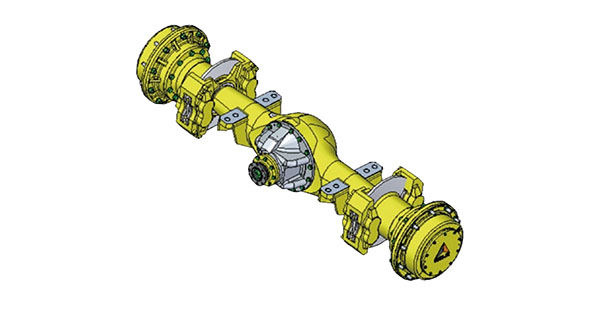 Spare Parts
Leave Your Message
Modern agriculture demands versatile, efficient, and powerful machinery. Wheeled excavators have emerged as game-changers in agricultural improvement projects, offering unparalleled mobility, precision, and productivity.
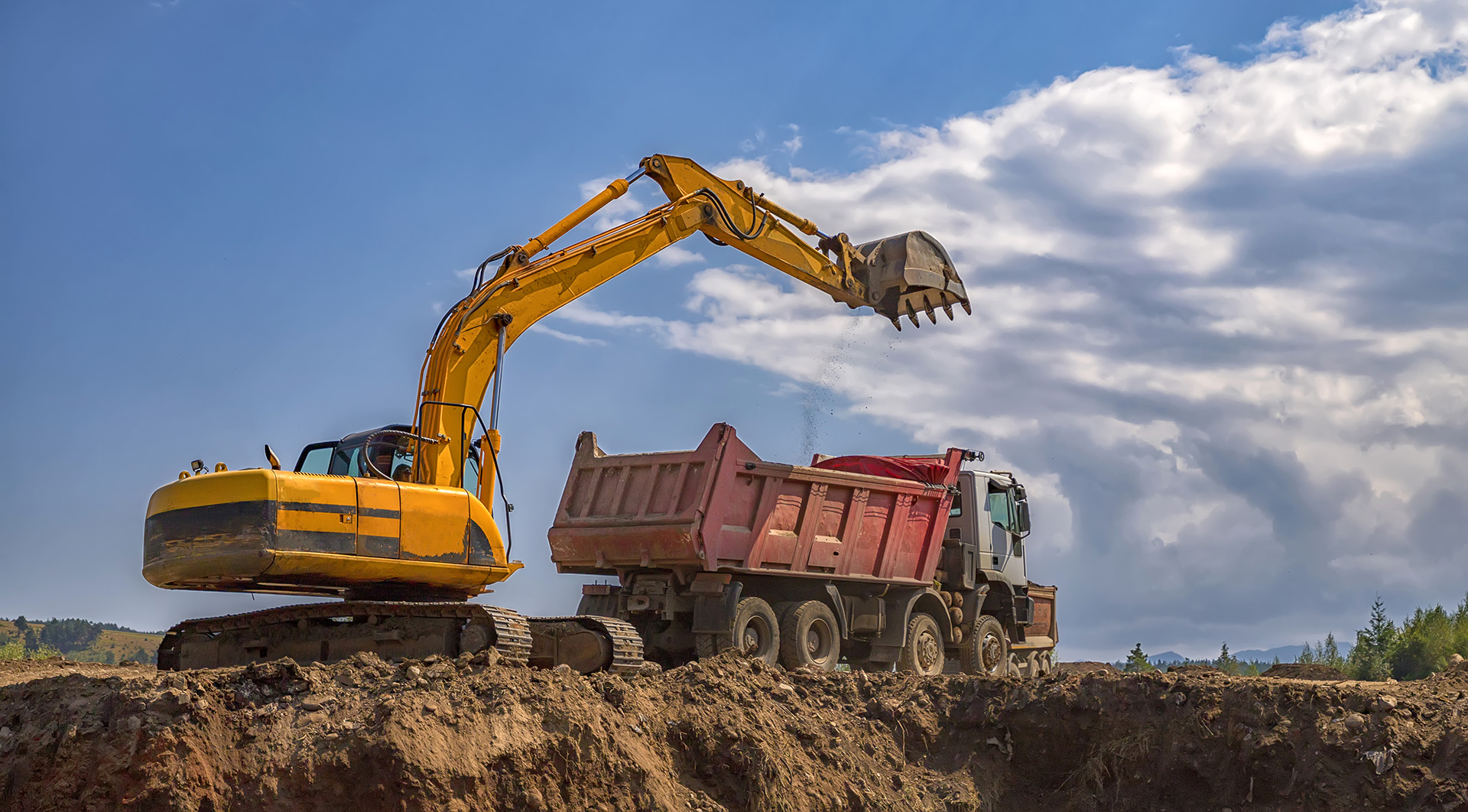
Wheeled excavators have revolutionized the way farmers and agricultural contractors approach land improvement projects. Unlike traditional tracked excavators, wheeled variants offer superior road mobility, allowing operators to quickly move between different farm locations without requiring transportation on trailers.
The agricultural sector has witnessed a significant shift towards mechanization and efficiency. Wheeled excavators play a crucial role in irrigation system installation, drainage management, pond construction, land leveling, and infrastructure development on agricultural properties.
With advanced hydraulic systems and versatile attachment options, these machines can perform multiple tasks including digging trenches for irrigation pipes, excavating water retention ponds, clearing land, and even handling materials during harvest season.
Why wheeled excavators are becoming indispensable in modern farming
Wheeled excavators can travel at speeds up to 40 km/h on roads, enabling rapid repositioning between work sites without damaging paved surfaces or requiring transport vehicles.
Lower operational costs compared to tracked excavators, with reduced fuel consumption during transit and minimal road damage, eliminating expensive transportation needs.
Compatible with various agricultural attachments including augers, grapples, mowers, and specialized buckets for diverse farming applications throughout the year.
Stabilizer legs provide instant stability on any terrain, allowing operators to begin work immediately upon arrival without extensive preparation time.
Wheeled design reduces soil compaction on agricultural land compared to tracked machines, preserving soil structure and promoting better crop growth.
Advanced hydraulic systems offer precise control for delicate operations like installing drainage systems or excavating near existing infrastructure without causing damage.
The global agricultural equipment market is experiencing unprecedented growth, with wheeled excavators representing one of the fastest-growing segments. Industry analysts project a compound annual growth rate (CAGR) of 7.2% through 2030, driven by increasing farm sizes, labor shortages, and the need for efficient land management.
Emerging markets in Asia, Africa, and South America are witnessing rapid adoption of wheeled excavators as farmers modernize operations. Government subsidies and agricultural development programs further accelerate this trend, making advanced machinery accessible to more farmers.
Technological integration including GPS guidance, telematics, and automated systems is transforming wheeled excavators into smart agricultural tools. These innovations enable precision agriculture practices, optimize fuel consumption, and provide valuable operational data for farm management.
Modern wheeled excavators increasingly feature eco-friendly engines meeting stringent emission standards. Manufacturers are developing hybrid and electric models to reduce environmental impact while maintaining performance capabilities essential for agricultural work.
The push toward sustainable farming practices has elevated the importance of proper water management and soil conservation. Wheeled excavators facilitate these efforts through efficient installation of irrigation systems, construction of water retention structures, and implementation of erosion control measures.
Climate change adaptation requires agricultural infrastructure improvements including drainage systems, water storage facilities, and land reshaping. Wheeled excavators provide the versatility and efficiency needed to implement these climate-resilient agricultural practices.
Comprehensive solutions for modern farming challenges
Excavating trenches for underground irrigation pipes, installing drip irrigation systems, and creating water distribution networks across large agricultural properties with precision and efficiency.
Building water storage facilities for irrigation, livestock, and aquaculture. Wheeled excavators efficiently excavate, shape, and compact soil for durable water retention structures.
Installing subsurface drainage tiles, creating surface drainage channels, and managing water flow to prevent waterlogging and optimize soil moisture levels for crop production.
Reshaping agricultural land for improved water distribution, erosion control, and mechanized farming operations. Precision grading ensures optimal field conditions for various crops.
Removing trees, stumps, rocks, and vegetation to prepare new agricultural land. Wheeled excavators handle clearing operations efficiently while preserving topsoil quality.
Building and maintaining access roads, creating equipment paths, and developing farm infrastructure to improve logistics and reduce operational costs during planting and harvest.
Excavating foundations for barns, storage facilities, greenhouses, and other agricultural structures. Precision digging ensures proper depth and dimensions for stable construction.
Constructing manure storage facilities, composting areas, and waste treatment systems essential for modern livestock operations and organic farming practices.
Smart features transforming agricultural excavation
Real-time machine tracking, fuel monitoring, maintenance scheduling, and operational analytics help optimize fleet management and reduce downtime in agricultural operations.
Semi-autonomous operation features including auto-leveling, depth control, and grade assistance improve accuracy while reducing operator fatigue during long agricultural projects.
Smartphone integration allows remote monitoring, diagnostic troubleshooting, and direct communication with technical support, minimizing operational disruptions during critical farming periods.
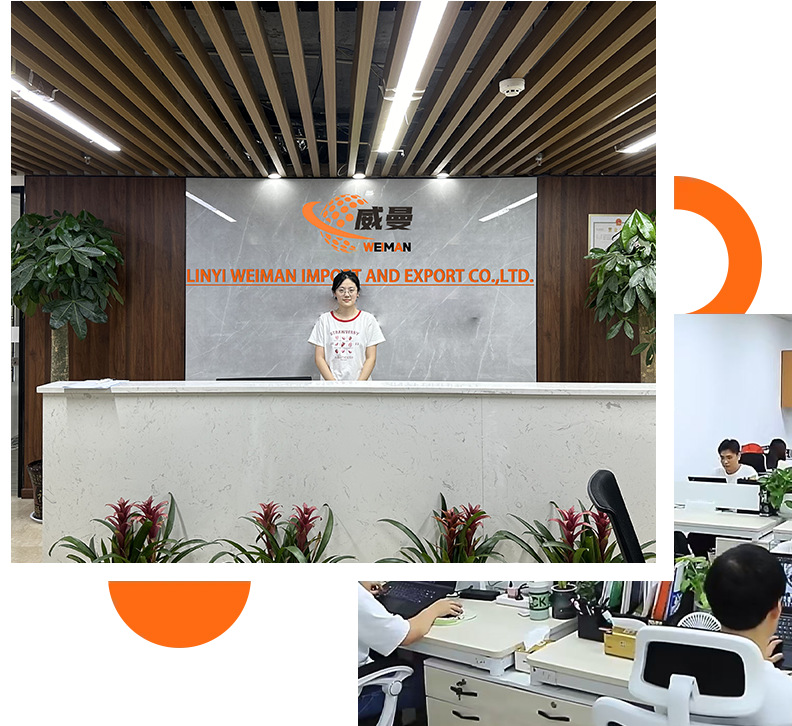
Linyi Weiman Import and Export Co., Ltd. Located in Linyi city, Shandong province, near SDLG factory and closes to XCMG, SEM, Shantui and Weichai factories.
Weiman is the top professional construction equipment supplier, in particular heavy construction equipment, including wheel loaders, luxury mini loader, backhoe loader, skid steer loader, excavator, motor graders, forklift, bulldozer or countries world widely.
The agricultural excavation industry is poised for transformative changes driven by technological innovation and evolving farming practices. Electric and hybrid wheeled excavators are entering the market, offering zero-emission operation ideal for enclosed agricultural environments and organic farming operations where air quality is paramount.
Artificial intelligence and machine learning algorithms are being integrated into excavator control systems, enabling predictive maintenance, optimized digging patterns, and autonomous operation capabilities. These advancements promise to address labor shortages while improving operational efficiency and safety.
The concept of "precision excavation" is gaining traction, where GPS-guided systems work in conjunction with farm management software to execute land improvement projects with centimeter-level accuracy. This integration ensures irrigation systems, drainage networks, and land grading align perfectly with precision agriculture requirements.
Agricultural mechanization investments continue to grow globally, with wheeled excavators representing a significant portion of capital expenditure for modern farming operations. The return on investment for these machines is compelling, with typical payback periods of 3-5 years through reduced labor costs, increased productivity, and improved land utilization.
Government agricultural development programs increasingly include provisions for mechanization equipment, recognizing that modern machinery like wheeled excavators is essential for food security and rural economic development. Subsidies and financing options make these technologies accessible to small and medium-sized farming operations.
The rental and leasing market for agricultural wheeled excavators is expanding rapidly, providing farmers with flexible access to equipment for seasonal projects without large capital investments. This trend democratizes access to advanced technology and allows farmers to utilize the latest equipment innovations.








Quick delivery time for customers, prompt reaction for spare parts, all these has made a good reputation for us for being a trustworthy partner, because we believe in understanding our clients, open communication, effective planning as well as preparation and is committed to executing and delivering our promises. Our warehouse covers more than 5000 square meters, and located near the airport, railway and high way, which guarantee the quick delivery and low purchasing cost, which will save you much time and money.
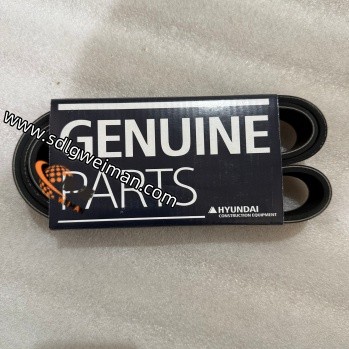
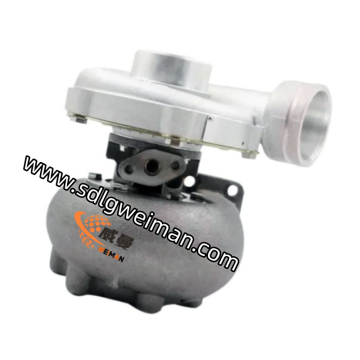
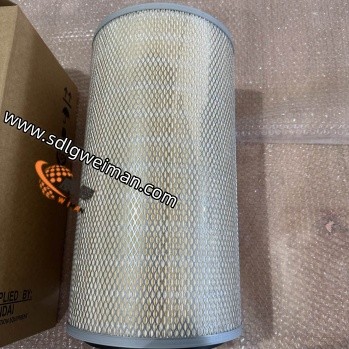
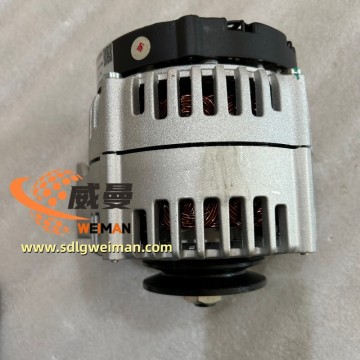
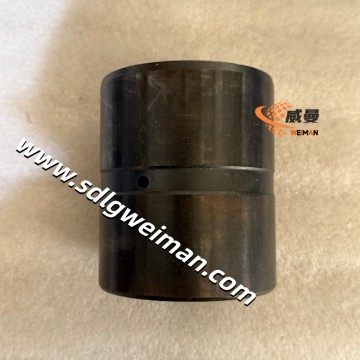
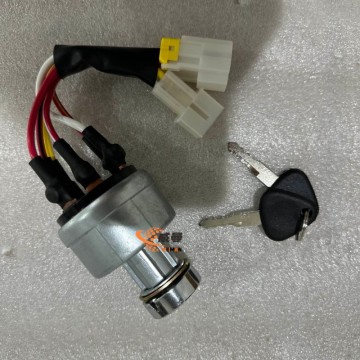
Genuine OEM components for optimal performance and longevity